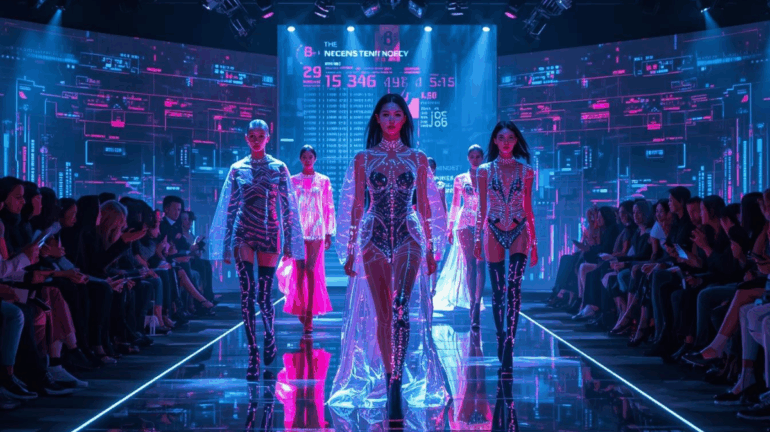

Fashion has always been a reflection of society an artistic expression shaped by culture, technology, and imagination. Today, artificial intelligence is reshaping the fashion world in ways that were once unimaginable, merging creativity with computational precision to design the future of style. AI algorithms are now capable of predicting trends, generating new designs, optimizing production, and even personalizing fashion experiences for individual consumers. In an era defined by data, fashion brands are turning to AI to understand what people want before they even know it themselves.
Machine learning models analyze millions of social media posts, runway images, and retail data to detect patterns and predict upcoming color palettes, silhouettes, and styles. Designers who once relied solely on intuition are now collaborating with algorithms that can simulate countless variations of a garment in seconds, blending aesthetic intuition with data-driven foresight. For instance, companies like Stitch Fix and Zalando use AI to personalize outfit recommendations based on body type, climate, and social preferences, creating a more inclusive and efficient shopping experience. Meanwhile, generative AI tools such as DALL·E and Midjourney are being used by designers to visualize mood boards and prototypes instantly, transforming how creativity unfolds.
Beyond trend forecasting, AI is revolutionizing sustainability one of fashion’s greatest challenges. Smart supply chain algorithms predict demand with remarkable accuracy, reducing overproduction and waste, while AI-driven recycling systems can now identify and sort textiles more efficiently than humans. Brands like H&M and Nike are using AI to trace the origins of materials and ensure ethical sourcing, aligning with the growing demand for transparency in fashion. Even in retail, AI is redefining the customer experience through virtual try-ons and digital mirrors powered by computer vision. Shoppers can visualize how clothing fits their unique shape without stepping into a fitting room, reducing returns and making online shopping more immersive. The fusion of AI and augmented reality is also fueling the rise of “phygital fashion” digital garments that exist in both physical and virtual forms. In the metaverse, AI-generated fashion allows users to dress avatars in outfits that respond to motion, emotion, or even the surrounding environment, signaling the birth of a new creative economy. Yet, this rapid evolution also raises critical questions. Can an algorithm truly understand human taste, or is it merely mirroring collective behavior? As AI becomes a co-creator, the line between human artistry and machine-made aesthetics begins to blur.
Some designers fear that over-reliance on algorithms could homogenize creativity, producing trends dictated by data rather than emotion. Others view AI as a tool that expands creative possibility a collaborator that accelerates inspiration rather than replacing it. The truth likely lies somewhere in between. The most compelling designs of the future may emerge not from machines or humans alone, but from their symbiotic relationship. Moreover, as personalization deepens, fashion may shift from seasonal mass production to perpetual micro-trends tailored to the individual “style as a service” powered by AI. In this future, sustainability, inclusivity, and individuality converge through intelligent design systems that evolve alongside the wearer.
Imagine a world where your wardrobe learns from your habits, suggests sustainable outfit combinations, or even adjusts its material properties based on temperature and mood. That future is not distant it’s unfolding now. AI isn’t just transforming fashion; it’s redefining creativity, consumer behavior, and the very meaning of style. What was once an industry driven by intuition is becoming one driven by intelligence and in this new paradigm, the most fashionable thing may not be what’s on the runway, but the algorithms shaping it behind the scenes.
contributed by guestpost.biz