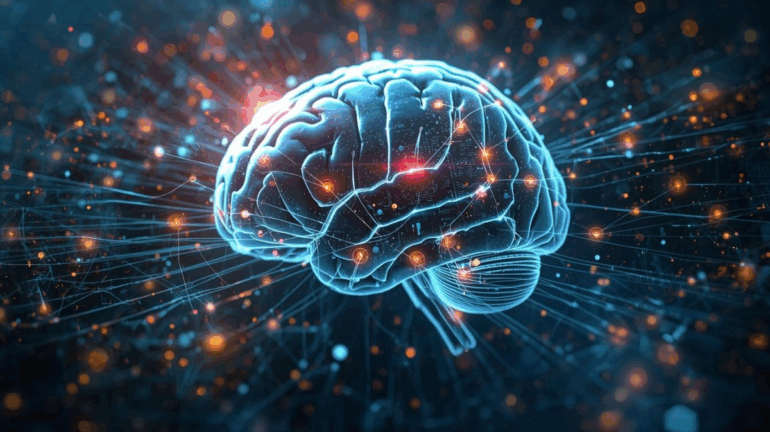

Artificial intelligence is entering a groundbreaking phase where machines no longer simply process information and forget it they are beginning to build memory in ways that resemble the human brain, transforming how knowledge, context, and experience shape machine intelligence. Traditional AI systems operate like calculators: powerful, fast, but forgetful, functioning only within the limits of their training data and immediate input. But the new era of AI memory systems inspired by neuroscience and cognitive psychology is giving machines the ability to store long-term experiences, recall past interactions, self-reference learning, and refine behavior over time. This evolution marks a turning point: instead of resetting after each task or user session, AI can now develop persistent knowledge, track patterns in individual behavior, and improve emotional intelligence and decision-making in ongoing cycles.
Companies are building memory-enabled models that remember user preferences, writing styles, tone, and emotional states, creating personalized digital companions with continuous learning capabilities. Researchers are developing neural memory frameworks like differentiable neural computers and lifelong learning architectures that help AI avoid the infamous “catastrophic forgetting” problem, where learning new tasks erases old knowledge. This memory revolution extends into robotics, where AI-driven machines recall spatial environments, social cues, and procedural tasks, learning the way humans do through repetition, feedback, and context. The implications stretch across every industry: healthcare AI can remember patient history and personalize treatment; education platforms can track student strengths and weaknesses to tailor learning journeys; customer service bots can recall previous grievances and emotional tone; and autonomous vehicles can accumulate driving memory to improve caution and efficiency. Yet, with great progress comes ethical tension if machines remember our conversations, behavior patterns, and emotional profiles, who controls that memory? How do we ensure consent, data privacy, and the right to be forgotten in a world where AI builds cognitive continuity? There is also the philosophical question: does memory give machines identity? If AI forms experiences and learns from them, do we cross a psychological threshold from tool to companion, from automation to something resembling consciousness? For now, the line remains technical AI remembers only computationally, without self-awareness but memory systems blur the boundary between simulation and organic cognition. Whether viewed as a convenience, a leap toward smarter, more intuitive machines, or the first step toward digital minds, memory-enabled AI represents a profound shift.
Humanity is teaching machines not just to know, but to remember and memory is the foundation of learning, intelligence, and identity. As AI develops recall, context, and experiential understanding, it moves one step closer to thinking like us and perhaps one day, with us.
contributed by guestpost.biz